ESP32-Bus-Pirate
ESP32 Bus Pirate
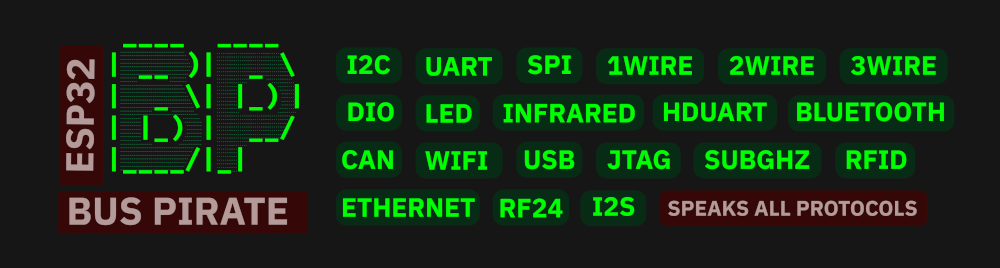
ESP32 Bus Pirate is an open-source firmware that turns your device into a multi-protocol hacker’s tool, inspired by the legendary Bus Pirate.
It supports sniffing, sending, scripting, and interacting with various digital protocols (I2C, UART, 1-Wire, SPI, etc.) via a serial terminal or web-based CLI. It also communicates with radio protocols like Bluetooth, Wi-Fi, Sub-GHz and RFID.
Use the ESP32 Bus Pirate Web Flasher to install the firmware in one click. See the Wiki for step-by-step guides on every mode and command. Check ESP32 Bus Pirate Scripts for a collection of scripts.
For hardware extensions, see the ESP32 Bus Expander for additional radio interfaces, and the ESP32 Bus Pirate Dock to use original Bus Pirate adapters and accessories.
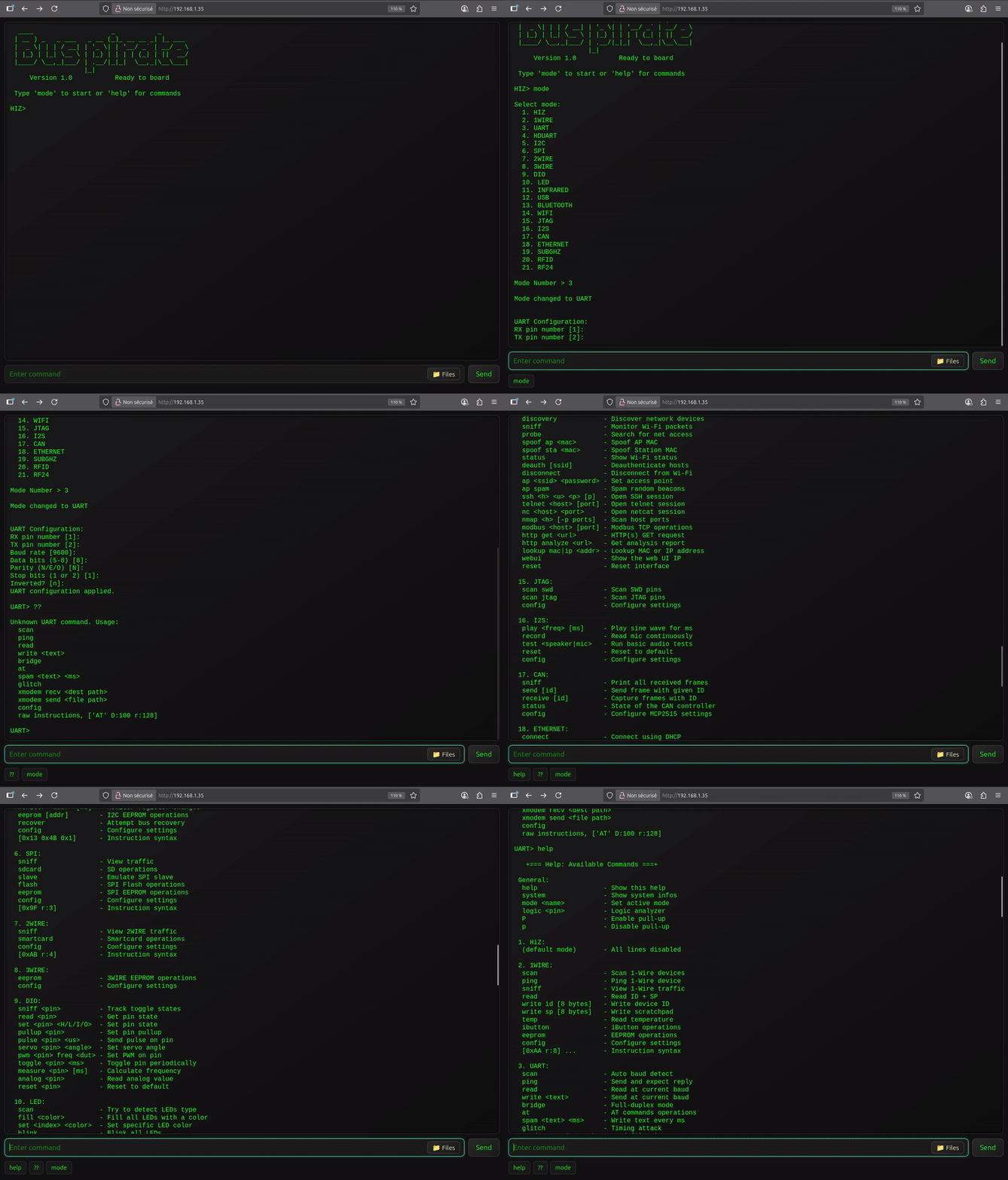
Features
- Interactive command-line interface (CLI) via USB Serial or WiFi Web.
- Modes for:
- HiZ (default)
- I2C (scan, glitch, slave mode, dump, eeprom)
- SPI (eeprom, flash, sdcard, slave mode)
- UART / Half-Duplex UART (bridge, read, write)
- 1WIRE (ibutton, eeprom)
- 2WIRE (sniff, smartcard) / 3WIRE (eeprom)
- DIO (Digital I/O, read, pullup, set, pwm)
- Infrared (send, record, universal remote)
- USB (HID, mouse, keyboard, gamepad, storage)
- Bluetooth (BLE HID, scan, spoofing, sniffing)
- Wi-Fi / Ethernet (sniff, deauth, nmap, netcat)
- JTAG (scan pinout, SWD)
- LED (animations, set LEDs)
- I2S (test speakers, mic, play sound)
- CAN (sniff, send and receive frames)
- SUBGHZ (analyze, record, replay)
- RFID (read, write, clone)
- RF24 (scan, send, receive)
- FM (analyze, broadcast)
- CELL (dump sim card, sms, call)
- Protocol sniffers for I2C, SPI, 1Wire, 2wire, CAN, Wi-Fi, Bluetooth, SubGhz.
- Baudrate auto-detection, AT commands and various tools for UART.
- Registers manipulation, EEPROM dump tools, identify devices for I2C.
- Read all sort of EEPROM, Flash and various others tools for SPI.
- Scripting using Bus Pirate-style bytecode instructions or Python.
- Device-B-Gone command with more than 80 supported INFRARED protocols.
- Direct I/O management, PWM, servo, pulse.
- Analyze radio signals and frequencies on every bands.
- Near than 50 addressable LEDs protocols supported.
- Ethernet and WiFi are supported to access networks.
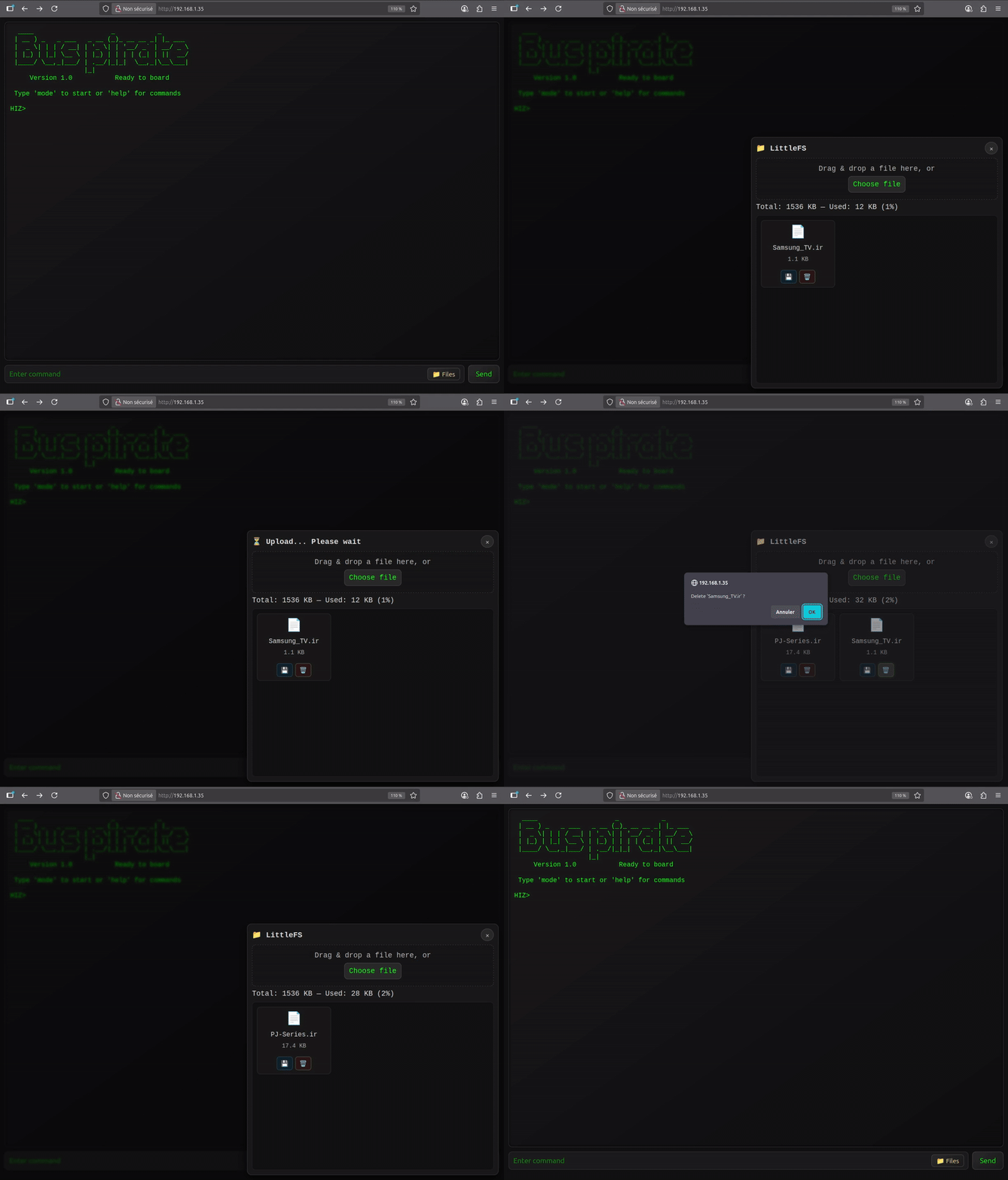
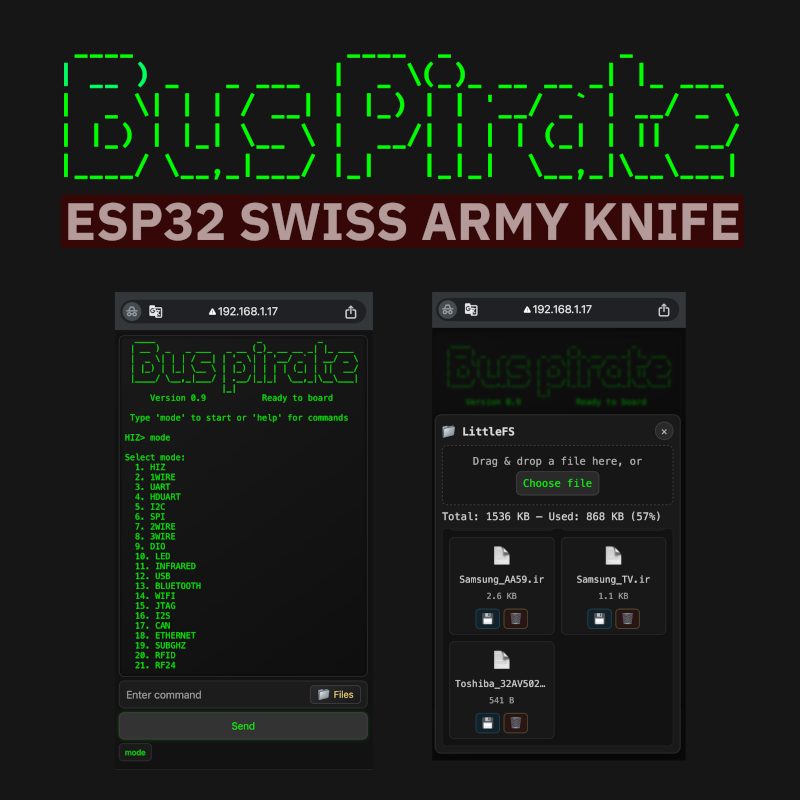
- Import and export data with the LittleFS over HTTP.
Supported Devices
| Device | Description | |
|---|---|---|
| ESP32 S3 Dev Kit | 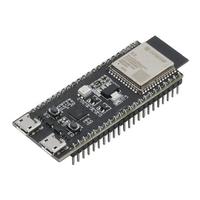 |
More than 20 available GPIO, 1 button |
| M5 Cardputer | 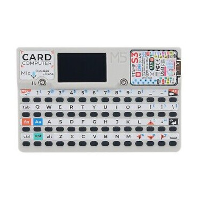 |
2 GPIO (Grove), screen, keyboard, mic, speaker, IR TX, SD card, battery, standalone mode |
| M5 Cardputer ADV | 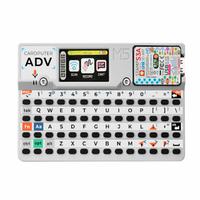 |
12 GPIO (Grove, Header), screen, keyboard, mic, speaker, IR TX, SD card, IMU, battery, standalone mode |
| M5 Stick S3 | 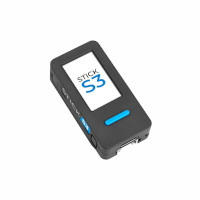 |
13 GPIO (Grove, Header), screen, mic, speaker, IR TX, IR RX, IMU, 3 buttons, battery |
| M5 StampS3 | 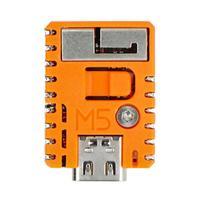 |
9 GPIO (exposed pins), 1 button |
| M5 AtomS3 Lite | 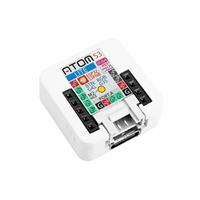 |
8 GPIO (Grove, Header), IR TX, 1 buttton |
| LILYGO T-Display | 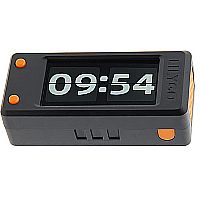 |
13 GPIO (1 Qwicc), screen, 2 buttons |
| LILYGO T-Embed | 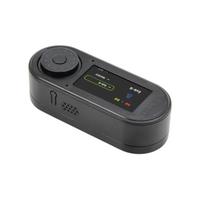 |
9 GPIO (Grove, Header), screen, encoder, speaker, mic, SD card |
| LILYGO T-Embed CC1101 | 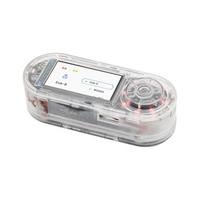 |
4 GPIO (2x Qwiic), screen, encoder, speaker, mic, SD Card, CC1101, PN532, IR TX, IR RX , battery |
| LILYGO T-Embed CC1101 Plus | |
4 GPIO (2x Qwiic), screen, encoder, speaker, mic, SD Card, CC1101, NRF24, PN532, IR TX, IR RX , battery |
| Seeed Studio Xiao S3 | 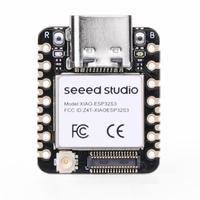 |
9 GPIO (exposed pins), 1 button |
-
Other ESP32-S3-based Boards
-
All boards based on the ESP32-S3 can be supported, provided they have at least 8 MB of flash.
-
You can flash the s3 dev-kit firmware onto any ESP32-S3 board.
-
Keep in mind that the default pin mapping in the firmware may not match your specific board.
-
Getting Started
- 🔧 Flash the firmware
- Use the ESP32 Bus Pirate Web Flasher to burn the firmware directly from a web browser.
- You can also burn it on M5Burner, in the M5stick, AtomS3, M5StampS3 or Cardputer category.
- 🔌 Connect via Serial or Web
- Serial: any terminal app (see Connect via Serial)
- Web: configure Wi-Fi and access the CLI via browser (see Wi-Fi Connection)
- 🧪 Use commands like:
mode
help
scan
sniff
...
Wiki

📚 Visit the Wiki for detailed documentation on every mode and command.
Includes:
- Terminal mode - About serial and web terminal.
- Mode overviews - Browse supported modes.
- Instruction syntax - Master the instructions.
- Serial setup - Serial access via USB.
The wiki is the best place to learn how everything works.
Scripting
🛠️ Automate interactions with the ESP32 Bus Pirate using Python scripts over serial.
Examples and ready-to-use scripts are available in the repository: ESP32 Bus Pirate Scripts.
Including: Logging data in a file, eeprom and flash dump, interracting with GPIOs, LED animation…
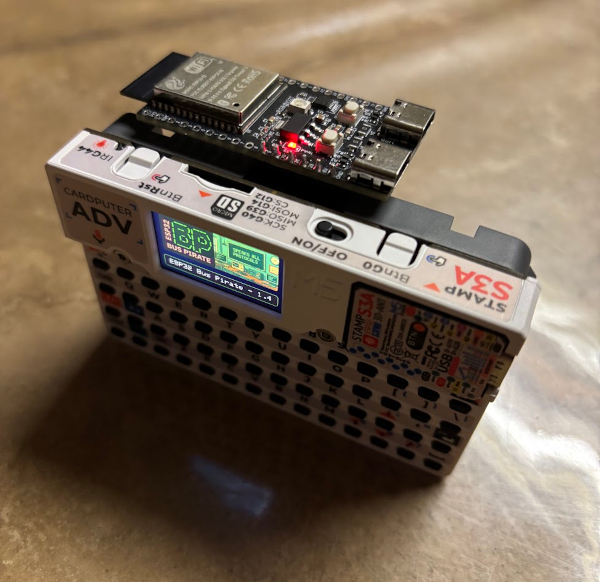
Expander
🔌 Expand the capabilities of the ESP32 Bus Pirate with additional hardware modules.
The Expander adds support for the WiFi 5 GhZ or other radio protocols.
Dock
🔧 A docking station for the ESP32 S3 DevKit designed to work with original Bus Pirate adapters.
It allows you to plug and use the original Bus Pirate ecosystem of adapters and accessories.
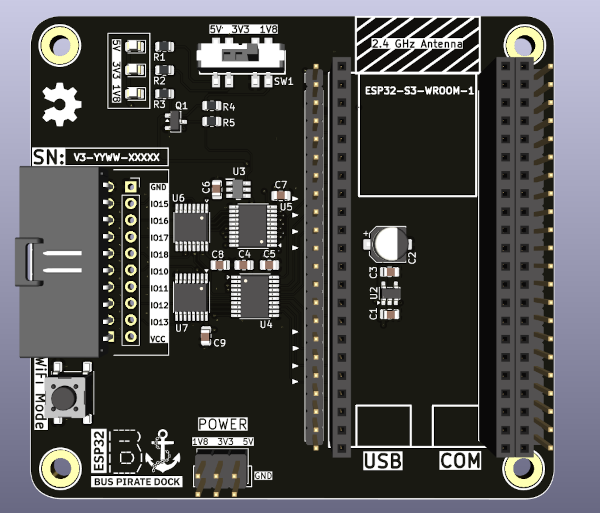
(Coming soon)

Command-Line Interfaces
The ESP32 Bus Pirate firmware provides three command-line interface (CLI) modes:
| Interface | Advantages | Ideal for… |
|---|---|---|
| Web Interface | - Accessible from any browser - PC, tablets, mobiles - Works over Wi-Fi - No cables needed |
Quick tests, demos, headless setups |
| Serial Interface | - Faster performance - Instant responsiveness - Handles large data smoothly |
Intensive sessions, frequent interactions |
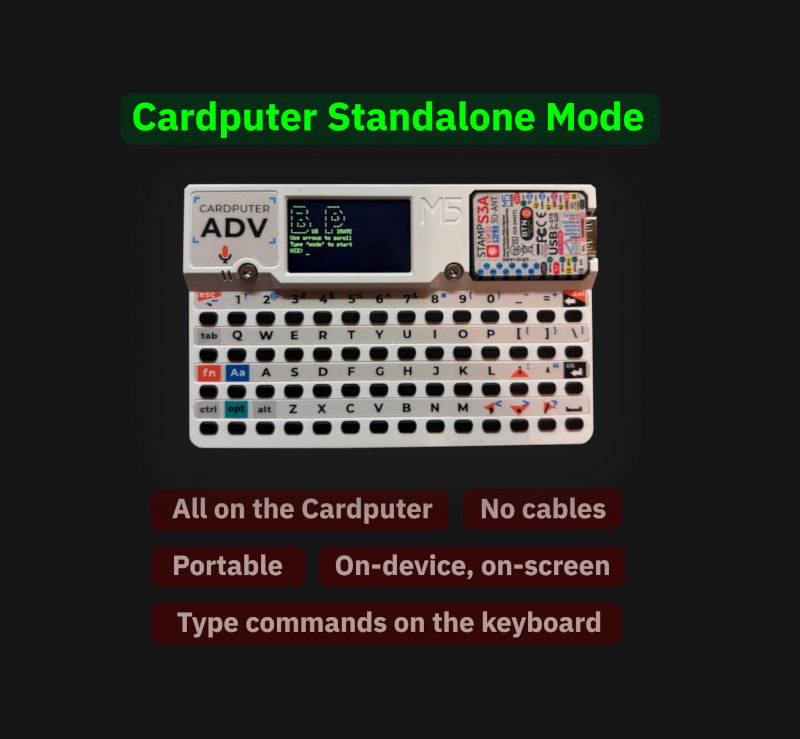
| Standalone | - Only for the Cardputer - On device keyboard - On device screen |
Portable sessions, Quick tests |
All interfaces share the same command structure and can be used interchangeably (more details).
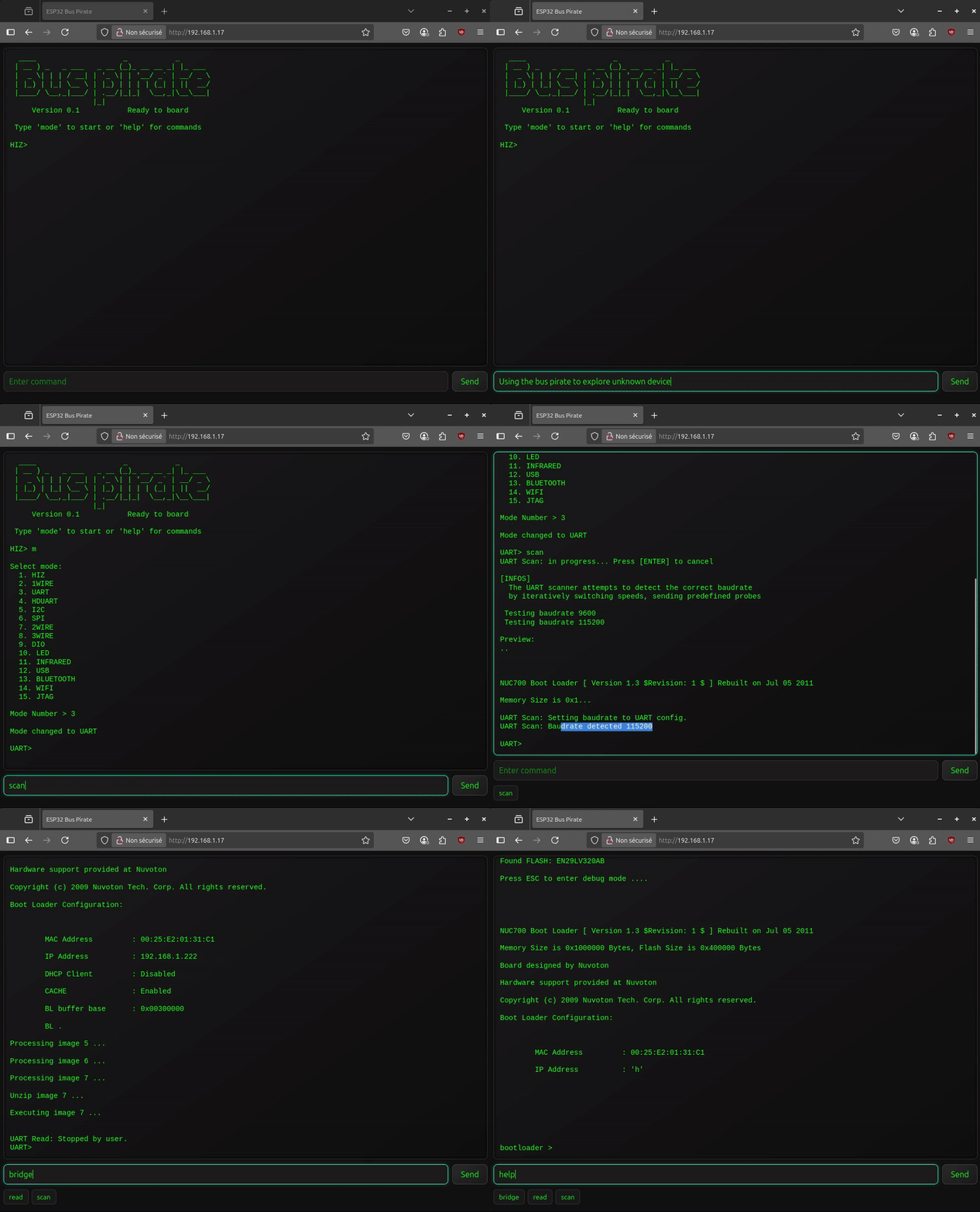
Mobile Web Interface over WiFi
Standalone Mode for the Cardputer
Using the ESP32 Bus Pirate to speak UART over WiFi
Contribute
See How To Contribute section, which outlines a simple way to add a new command to any mode.
Visuals Assets
See images, logo, presentations, photo, video, illustrations. These visuals can be freely used in blog posts, documentation, videos, or articles to help explain and promote the firmware.
Warning
⚠️ Voltage Warning: Devices should only operate at 3.3V or 5V.
- Do not connect peripherals using other voltage levels — doing so may damage your ESP32.
⚠️ Usage Warning: This firmware is provided for educational, diagnostic, and interoperability testing purposes only.
- Do not use it to interfere with, probe, or manipulate devices without proper authorization.
- Avoid any unauthorized RF transmissions (e.g., sub-GHz) that could violate local regulations or disrupt networks and communications.
- The authors are not responsible for any misuse of this software or hardware, including legal consequences resulting from unauthorized access or signal emission.
- Always stay within the bounds of your country’s laws and responsible disclosure policies.