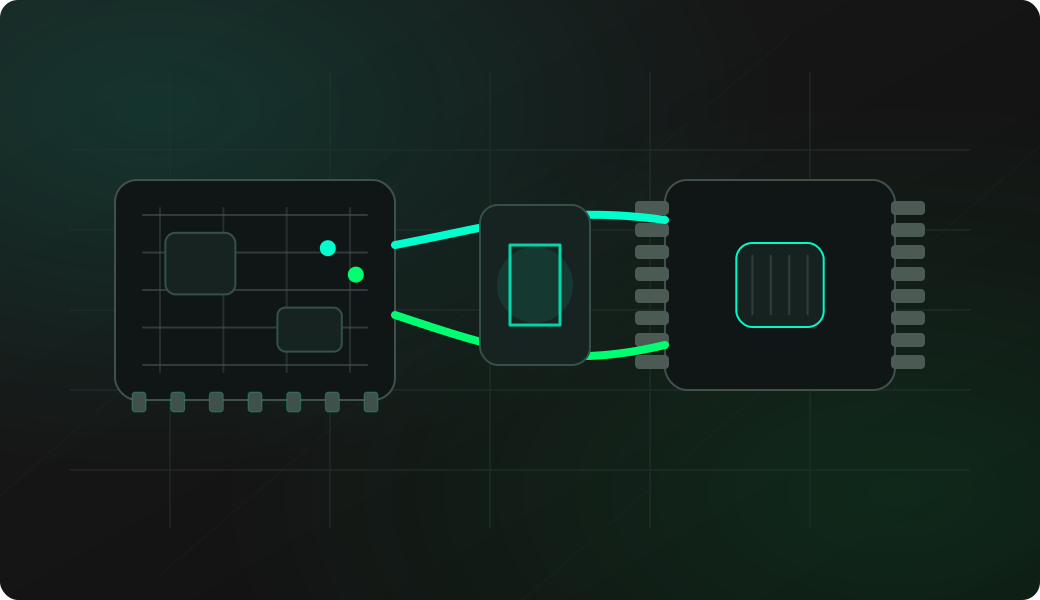
Wiring View
Commands
Run the typed commands first. If the command opens an interactive shell, select the named action from the shell menu instead of treating it as another CLI command.
Result
What success looks like
A successful probe means the chip ACKed and the shell can use an EEPROM-aware workflow for read, dump, analyze or erase actions.
Troubleshooting
- Forgetting that many EEPROMs use 0x50 by default, but address pins can change it.
- Trying raw register reads before confirming addressing size.
- Writing before making a backup.
- Using long wires without pull-ups or shared ground.
I2C EEPROM dump FAQ
Why probe before dumping the EEPROM?
Probe first so the shell can confirm the chip responds and choose a sensible geometry before reading. Serial EEPROM families differ in density, address width and page behavior, so a blind raw dump can wrap or miss data on the wrong assumptions.
Is 0x50 always the EEPROM address?
No. Many 24xx parts use a base 7-bit address near 0x50, but address pins and larger memories can make more than one address respond. Scan first, then open the EEPROM shell with the address you actually found.
Can a dump damage or change the EEPROM contents?
A read-only dump should not change contents, but wrong voltage, wiring mistakes or accidental write/erase actions can. Treat unknown boards as evidence: back up before writing, check write-protect pins, and avoid erase actions until the dump is verified.